Green Sea Turtles Bounce Back From Brink After Decades of Worldwide Protection
GOOD NEWS IN ONE SENTENCE The IUCN Red List reclassified green sea turtles from “Endangered” to “Least Concern” in 2025, marking a rare global-scale marine recovery driven by decades of protected beaches, reduced fishing bycatch, and sustained hatchery programs worldwide.
WHY THIS MATTERS Marine conservation often feels like fighting the tide. Vast oceans, migratory species crossing multiple jurisdictions, and threats from fishing to pollution make success stories rare. Green sea turtles traveled from the edge of extinction to thriving populations through decades of coordinated international effort. Their recovery proves that sustained global collaboration can reverse even dire ecological trends. This victory offers a blueprint for saving other marine species and demonstrates that patience and persistence in conservation actually work.
THE STORY
When a Species Swims Back From the Edge
Picture beaches where sea turtle nests were once rare treasures, now hosting hundreds of nesting mothers each season. Imagine fishing operations that once accidentally killed thousands of turtles now using gear that lets them escape. See communities that once harvested turtle eggs now protecting them fiercely.
This transformation didn’t happen overnight. It took decades. And it worked.
A Global Effort Pays Off
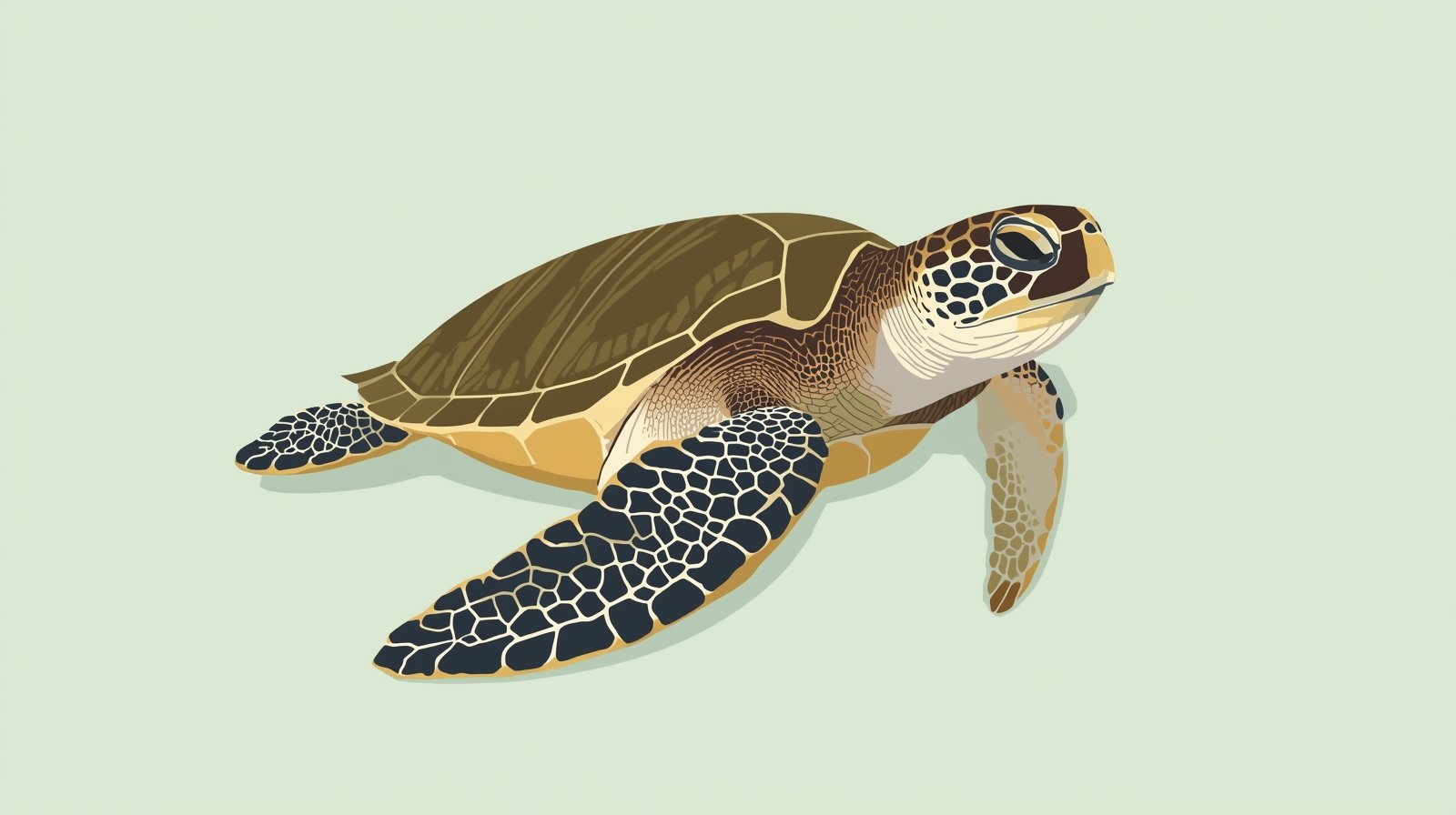
The IUCN Red List’s 2025 update delivered remarkable news. Green sea turtles, listed as “Endangered” for years, jumped all the way to “Least Concern,” the lowest threat category. The shift reflects rising numbers and improved nesting success around the world.
Conservation efforts targeted every stage of the turtle lifecycle. Countries established protected beaches where females could nest without disturbance. Fishing regulations required turtle excluder devices that let captured turtles escape nets. Hatchery programs collected and protected eggs from poachers and predators.
Local communities became guardians rather than harvesters. In places where turtle eggs were once food or income, new economic opportunities through ecotourism made living turtles more valuable than dead ones.
More Than Just One Species
The green sea turtle recovery joins a broader 2025 conservation success story. The IUCN Red List update recorded at least 20 species downlisted to lower-risk categories. Birds, amphibians, and other reptiles benefited from targeted habitat restoration and invasive species control.
These victories share common threads: sustained funding, community engagement, international cooperation, and patience measured in decades rather than years.
BY THE NUMBERS
- Reclassified from “Endangered” to “Least Concern”
- Decades of conservation effort
- 20+ species downlisted in 2025 update
- Global collaboration across nations
- Protected nesting beaches worldwide
- Fishing gear modifications save thousands
- Hatchery programs protect eggs
WHAT’S NEXT
While the global population is recovering, some local populations still need protection. Conservationists continue monitoring nesting sites and fishing practices. The success with green sea turtles is now informing efforts to save other marine species, including hawksbill and leatherback turtles that remain critically endangered. The challenge shifts from preventing extinction to ensuring recovery continues.
THE HEART OF IT: Sometimes the good news takes fifty years to arrive. Green sea turtles didn’t recover because of one brilliant solution or a single country’s effort. They came back because thousands of people across dozens of nations decided these ancient mariners deserved a future and then did the daily, unglamorous work to make it happen. Beach patrols protecting nests through the night. Fishermen modifying gear that cut into profits. Scientists tracking populations year after patient year. Communities choosing long-term sustainability over short-term gain. This is what winning looks like in conservation: slow, steady, collaborative, and ultimately triumphant. When we decide to save something and commit for the long haul, even the ocean’s challenges can be overcome.
SOURCE https://www.globaltrekker.org/home/wildlifewins
OPTIMISM RATING ⭐⭐⭐⭐⭐ (5/5)
Share this content:

Related Posts
Global Police Operation Rescues Nearly 30,000 Animals From Illegal Wildlife Trade in Record-Breaking Bust

One Dutch City Just Beat Copenhagen to Become the World’s Most Bike-Friendly Place