
Congo Declares Victory Over Ebola After Swift Three-Month Response Saves Live
GOOD NEWS IN ONE SENTENCE The Democratic Republic of Congo officially declared the end of its Ebola outbreak on December 1, 2025, after 42 days with no new cases, demonstrating that swift action and community cooperation can stop even the deadliest diseases in their tracks.
WHY THIS MATTERS Ebola can kill up to 90% of those infected, making every outbreak a race against time. This success story shows that even in remote areas with limited infrastructure, coordinated response efforts and trusted vaccines can save lives. The swift containment in just three months sets a new standard for outbreak response in challenging conditions, offering hope that future epidemics can be stopped before they spread.
THE STORY
When Fear Knocked on Kasai’s Door
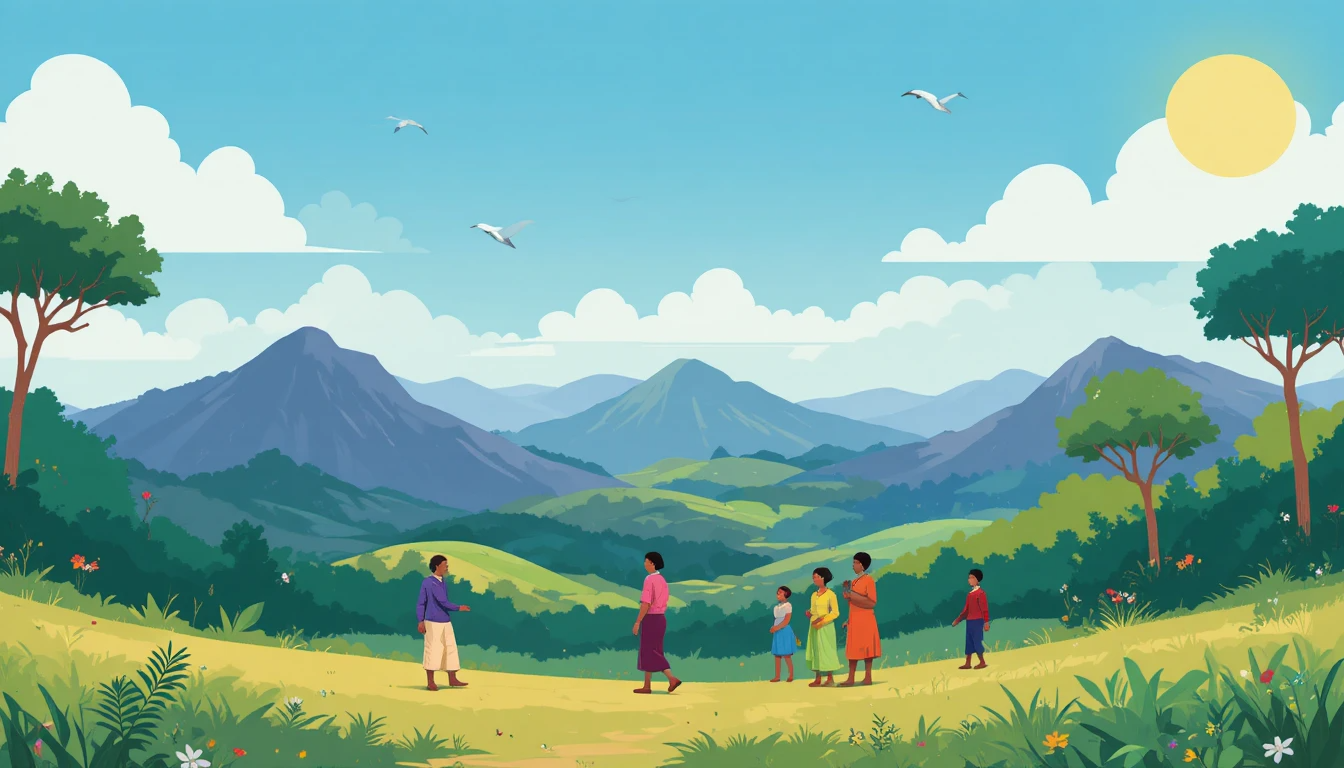
In September 2025, a pregnant woman in Bulape, Kasai Province became the first confirmed case of what would become the Democratic Republic of Congo’s 16th Ebola outbreak. The remote location, with its minimal roads and limited telecommunications, seemed like the perfect storm for disaster.
But this time, the story had a different ending.
Vaccination Saves the Day
Health Minister Roger Kamba stood in Kinshasa on December 1 and delivered news the country had been waiting to hear. After 42 consecutive days without a single new case, the outbreak was officially over. More than 27,000 people received vaccinations, including 4,000 frontline health workers who put themselves at risk to protect their communities.
The numbers tell a sobering story: 53 confirmed cases, 43 deaths. Yet those same numbers could have been catastrophically worse without rapid intervention.
A New Tool Changes Everything
For the first time in any outbreak, health workers deployed an Infectious Disease Treatment Module designed by WHO and partners. The innovative facility protected healthcare workers while providing dignified, effective care for patients. It’s a blueprint that will serve future responses around the world.
The outbreak affected six health areas in Bulape Health Zone, spreading to at least four neighboring towns. Each location presented unique challenges, yet the response team adapted quickly.
BY THE NUMBERS
- 42 days without new cases before declaration
- 27,000+ people vaccinated
- 4,000 frontline workers immunized
- 3 months from outbreak start to end
- 16th Ebola outbreak in DRC since 1976
- 90-day enhanced surveillance period begins now
WHAT’S NEXT
The fight isn’t over. Congo now enters a 90-day period of enhanced surveillance, watching carefully for any sign of re-emergence. Health authorities are maintaining vigilance while strengthening the broader Integrated Disease Surveillance and Response system. The country continues battling other outbreaks including cholera and mpox, requiring sustained resources and attention.
THE HEART OF IT: When communities, health workers, and international partners move with one purpose, even the most feared diseases can be stopped. This wasn’t just about vaccines and treatment modules, though those mattered immensely. It was about people choosing to protect one another, frontline workers showing up every single day, and a system that learned from 15 previous outbreaks how to respond faster and smarter. Three months from outbreak to containment in one of the most challenging environments imaginable proves that preparation, courage, and community trust can overcome almost any obstacle. The world is safer when we remember that no outbreak anywhere is truly distant from home.
SOURCE https://www.who.int/emergencies/disease-outbreak-news/item/2025-DON589
OPTIMISM RATING ⭐⭐⭐⭐⭐ (5/5)
Share this content:

Related Posts

Brad Paisley’s Free Grocery Store Becomes a Toy Store, Giving 1,000 Kids Christmas Presents With Help From 600 Volunteers
Off-the-Shelf Cancer Therapy Hunts Down Pancreatic Tumors Even After They Spread