
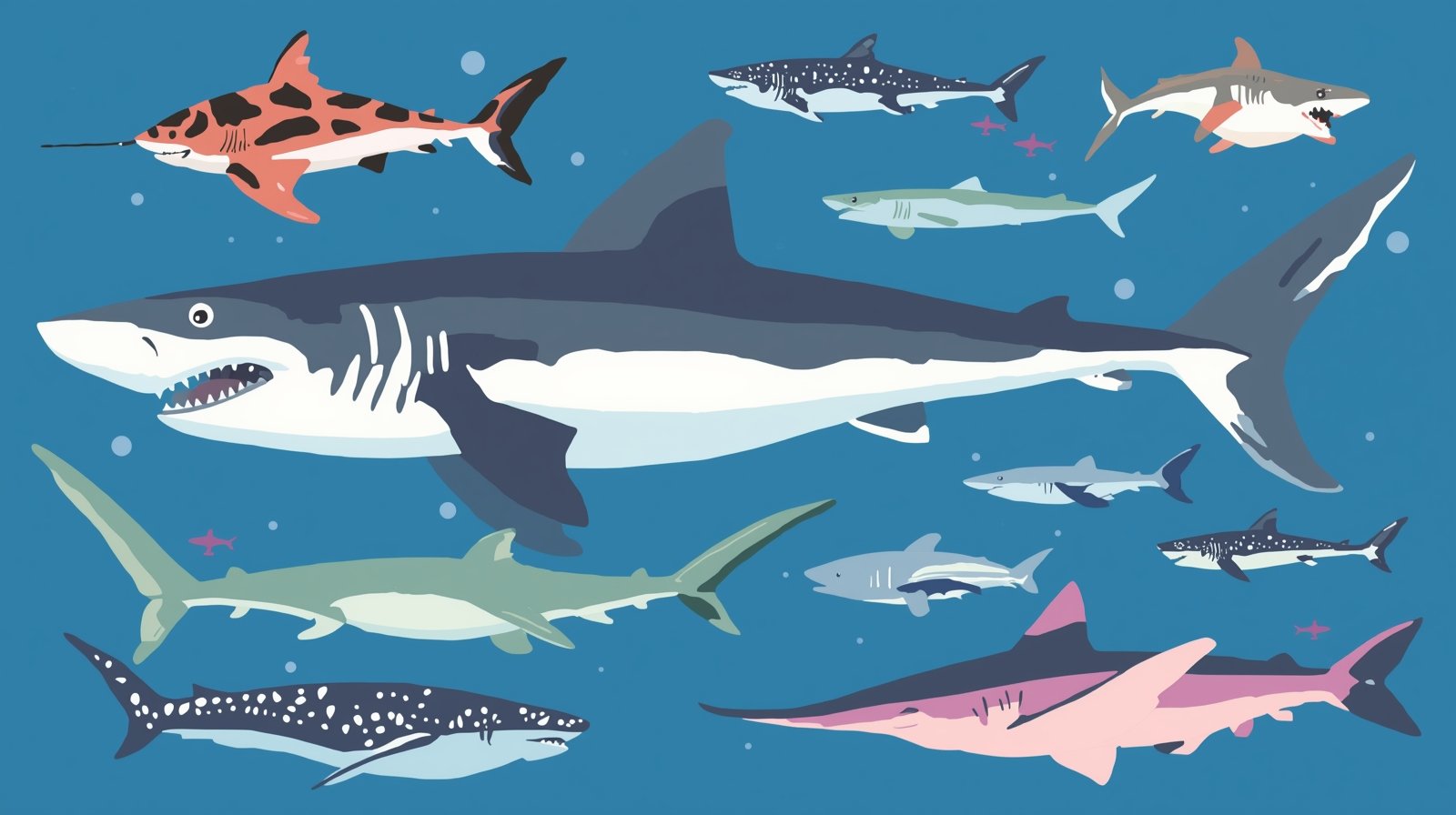
Over 70 Shark and Ray Species Win Historic Protection from Commercial Trade
GOOD NEWS IN ONE SENTENCE: At a global wildlife summit in Uzbekistan, every proposal to protect sharks and rays passed unanimously, giving over 70 threatened species their strongest protections in history.
WHY THIS MATTERS
More than 37 percent of shark and ray species face extinction, yet international trade regulations have barely kept pace. This agreement marks the first time the world’s nations have collectively decided that some marine predators are too important to lose.
The Day Everything Passed
The conference hall in Samarkand buzzed with tension as delegates from 185 countries prepared to vote. Representatives from Panama, Ecuador, Brazil, and over 50 other nations had brought seven proposals to protect threatened sharks and rays. Luke Warwick, director of shark and ray conservation at the Wildlife Conservation Society, held his breath.
Then, one by one, every proposal passed. Oceanic whitetip sharks. Whale sharks. Manta and devil rays. All moved to Appendix I, the highest level of protection under CITES, effectively banning all international commercial trade.
“The world chose action over extinction today,” Warwick said.
When Keystone Predators Disappear
Sharks and rays have survived mass extinctions, adapted to every ocean, and maintained marine ecosystems for 400 million years. But in just a few decades, industrial fishing has pushed them to the edge. Over 37 percent of species are now threatened with extinction. Reef sharks have vanished from one in five coral reefs worldwide.
When these apex predators disappear, entire ecosystems unravel. Octopus and squid populations explode without sharks to control them. Coral reefs deteriorate as the delicate balance collapses.
From Soup to Survival
For decades, shark fins commanded premium prices in East Asian markets, driving industrial-scale hunting. Manta rays were killed for their gill plates, used in traditional medicine despite having no proven medicinal value. Wedgefish and giant guitarfish nearly vanished, prized for their high-value fins.
The new protections close critical loopholes. Oceanic whitetip sharks, whale sharks, and all manta and devil rays can no longer be traded internationally. Wedgefish and giant guitarfish received zero export quotas, functionally banning their trade. Additional species received Appendix II protections, requiring countries to prove trade won’t harm wild populations.
BY THE NUMBERS:
- 70+ shark and ray species now protected under CITES
- 185 countries and the European Union participated
- 3,000+ delegates attended the summit
- First time sharks moved to Appendix I (full commercial trade ban)
- More than 50 governments backed the proposals
WHAT’S NEXT
The challenge now shifts to enforcement. Countries must implement these protections, train customs officials to identify protected species, and crack down on illegal trade. Conservation groups are already working with coastal communities to develop sustainable alternatives to shark fishing.
THE HEART OF IT:
For creatures that have ruled the oceans since before dinosaurs walked the Earth, sharks and rays seemed invincible. But even apex predators need protection when humans decide they’re worth more dead than alive. This agreement won’t save every shark, won’t prevent every net, won’t stop every poacher. But it represents something more powerful than any single regulation: the moment when the world decided that some species are simply too magnificent, too essential, too irreplaceable to let slip away. The ocean’s oldest guardians just got some new ones.
OPTIMISM RATING: ⭐⭐⭐⭐⭐
Share this content:

Related Posts
Global Police Operation Rescues Nearly 30,000 Animals From Illegal Wildlife Trade in Record-Breaking Bust
Green Sea Turtles Bounce Back From Brink After Decades of Worldwide Protection